

Hey there! Are you curious about the exciting world of CNC machining and wondering what kind of education and skills are needed to kick-start a career in this fascinating field? Well, you've come to the right place! In this article, we'll explore the educational requirements, training options, and the skills you'll need to become a successful CNC machinist. Let's dive in!
1. What is CNC Machining?
CNC stands for Computer Numerical Control, which is a technology that allows machines to create complex shapes and components with precision and efficiency. Imagine a robot-guided saw that can cut metal like a pro, all thanks to a computer program! This is the backbone of modern manufacturing, and it's in high demand.
2. High School Preparation:
To enter the CNC machining realm, you don't necessarily need a degree from a fancy university. A strong foundation in math, science, and technology during high school will set you up well. homepage on algebra, geometry, trigonometry, and basic physics, as these subjects underpin the calculations and problem-solving involved in CNC work.
3. Technical Certifications:
Many employers prefer candidates with formal certifications, such as those offered by organizations like National Center for Competency Testing (NCCT) or the Association of Manufacturing Technology (AMT). These certifications demonstrate your proficiency in specific areas like CNC programming, safety, and equipment operation.
4. Trade Schools and Vocational Programs:
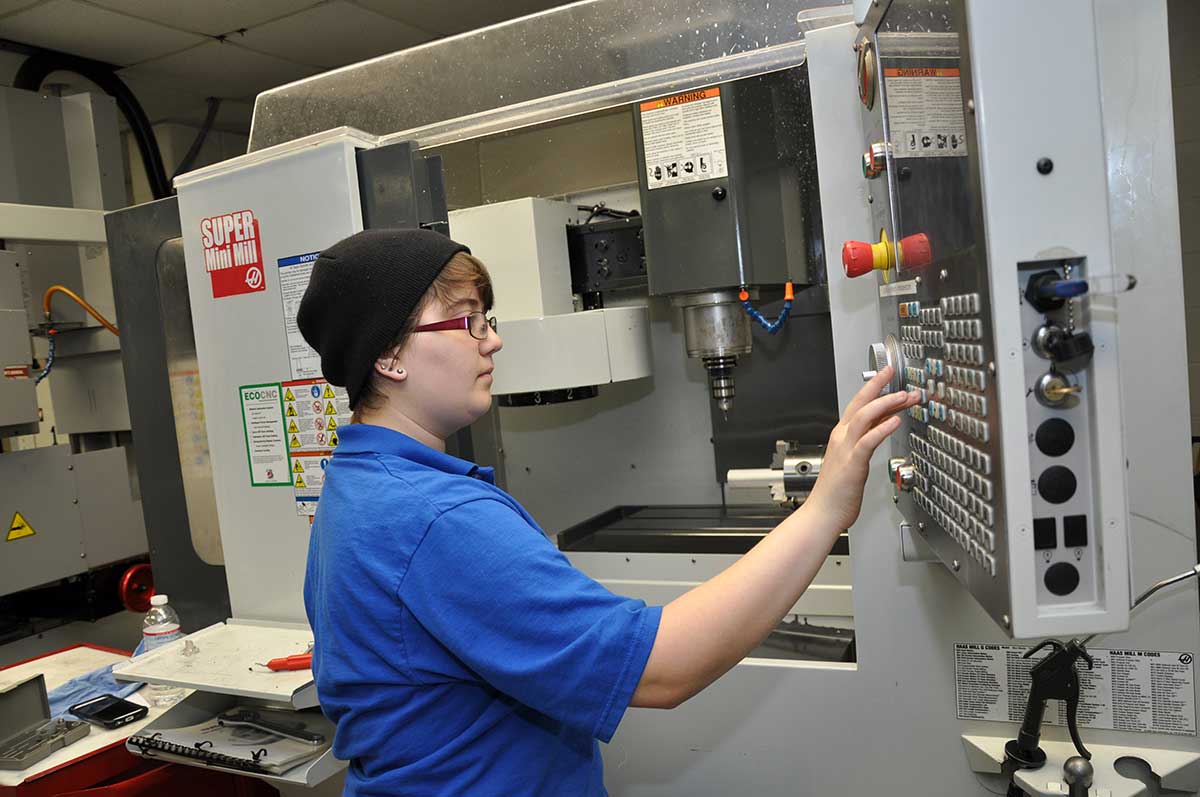
Community colleges and vocational schools often provide comprehensive training programs that combine classroom instruction with hands-on experience. Look for courses in CNC machining, mechanical drafting, and manufacturing processes. These programs usually take a year or two to complete and lead to associate degrees or certificates.
5. Associate Degrees:
If you're after a more structured education, an associate degree in Manufacturing Engineering Technology or a related field can be a great choice. These programs provide a broader curriculum that covers topics like materials science, manufacturing processes, and quality control, making you a versatile candidate in the job market.
6. Continuing Education and Specializations:
In today's fast-paced industry, staying current with new technologies and techniques is crucial. Attend workshops, seminars, or enroll in online courses to enhance your skills in areas like CAM (Computer-Aided Manufacturing) software, 3D modeling, and advanced machining strategies.
7. On-the-Job Training and Apprenticeships:
Some employers offer apprenticeships or on-the-job training, where you learn the ropes under the guidance of experienced machinists. This practical experience is invaluable, as it allows you to apply your theoretical knowledge while building a strong portfolio of work.
8. Soft Skills and Personal Attributes:
While technical skills are essential, don't overlook the importance of soft skills like attention to detail, problem-solving, and communication. Employers value team players who can adapt to new challenges and work efficiently in a fast-paced environment.
9. Industry Certifications:
Consider pursuing additional certifications like Certified CNC Programmer (CCNP) or Certified Machine Tool Programmer (CMTP), which can differentiate you from the competition and show employers your commitment to excellence.
10. Job Market Outlook:
The CNC machining industry is thriving, with a growing demand for skilled workers to keep pace with the ever-evolving technology. As automation continues to advance, having a solid foundation in CNC machining will open doors to various career opportunities.
A career in CNC machining is both challenging and rewarding, and with the right education and dedication, you can join a dynamic field that shapes the future of manufacturing. Whether you choose a trade school, an associate degree, or a combination of both, remember to focus on your core skills, stay adaptable, and never stop learning. Good luck on your journey!